

In many parts of the world, arid and semi-arid regions face significant challenges in sustaining agriculture due to limited water resources, poor soil fertility, and extreme climatic conditions. Yet, one crop has thrived for centuries under these harsh environments: the date palm. Among the varieties cultivated, kurma murah has become a symbol of resilience and sustainability. Dates not only provide essential nutrition but also play a crucial role in promoting sustainable agriculture by supporting ecosystems, economies, and communities in arid regions. Retail outlets like kedai kurma have further strengthened the accessibility and economic viability of this ancient fruit.
The Adaptability of Date Palms in Arid Regions
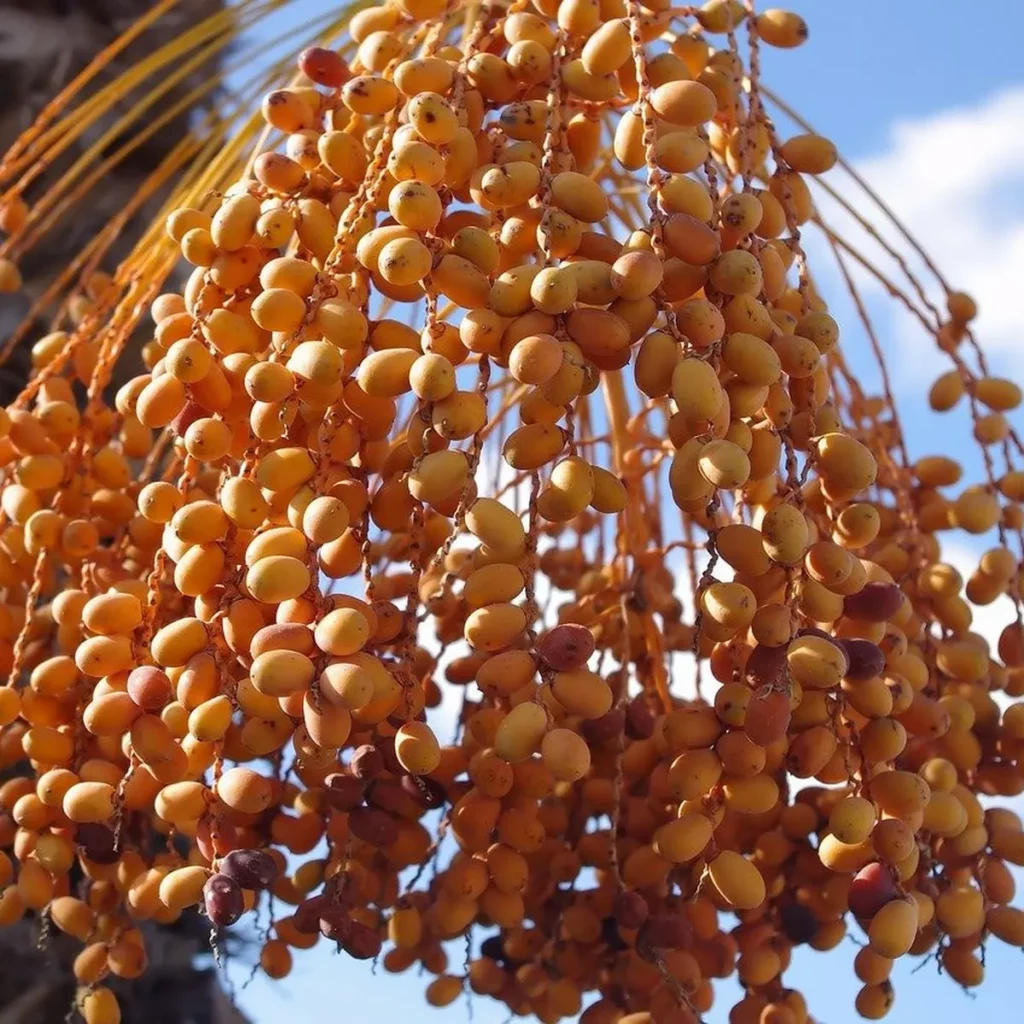
Date palms are uniquely suited to arid climates. Their deep root systems allow them to access underground water sources, making them highly drought-resistant. Kurma murah thrives in sandy soils and can withstand high temperatures, making it an ideal crop for regions where other plants struggle to survive. This adaptability ensures that date palms can provide consistent yields even under challenging environmental conditions, contributing to food security in areas prone to water scarcity.
Water Efficiency and Sustainable Farming
One of the most significant contributions of kurma murah to sustainable agriculture is its efficient use of water. Date palms require less irrigation compared to many other fruit crops, and they can be cultivated using traditional water-saving techniques such as drip irrigation. This efficiency reduces the strain on limited water resources in arid regions, allowing farmers to maintain productivity without depleting groundwater reserves. By promoting water conservation, date farming supports long-term sustainability in fragile ecosystems.
Soil Improvement and Environmental Benefits
Date palms also play a role in improving soil quality. Their extensive root systems help stabilize sandy soils, reducing erosion and desertification. The organic matter from fallen fronds and fruit enriches the soil, enhancing fertility over time. Kurma murah cultivation thus contributes to healthier soils, which can support other crops in intercropping systems. Additionally, date palm plantations provide shade and microclimates that protect understory plants, fostering biodiversity in otherwise barren landscapes.
Economic Sustainability for Communities
Beyond ecological benefits, kurma murah supports economic sustainability in arid regions. Date farming provides livelihoods for millions of people, from smallholder farmers to large-scale producers. The global demand for dates ensures steady income, while local trade networks such as borong kurma facilitate bulk distribution to markets worldwide. Retail outlets like kedai kurma make dates accessible to consumers, strengthening local economies. By offering both subsistence and commercial value, date farming empowers communities to thrive in challenging environments.
Dates as a Staple Food and Nutritional Resource
Kurma murah is not only economically valuable but also nutritionally essential. Dates are rich in natural sugars, fiber, vitamins, and minerals, making them a vital food source in arid regions where dietary diversity may be limited. Their long shelf life allows them to be stored and consumed throughout the year, providing consistent nutrition. This reliability enhances food security, ensuring that communities have access to energy-dense foods even during periods of scarcity.
Cultural and Social Importance of Dates
Dates hold deep cultural significance in many societies, particularly in the Middle East, North Africa, and parts of Asia. Kurma murah is often consumed during religious and festive occasions, symbolizing hospitality and nourishment. The cultural value of dates strengthens their role in sustainable agriculture by ensuring continued demand and preservation of traditional farming practices. This cultural connection fosters resilience, as communities remain committed to cultivating and consuming dates despite modern challenges.

Dates in Agroforestry Systems
Kurma murah plays a vital role in agroforestry systems, where date palms are intercropped with other plants such as cereals, legumes, and vegetables. The shade provided by date palms reduces evaporation and protects companion crops from extreme heat. This integrated farming approach maximizes land use efficiency, diversifies income sources, and enhances ecosystem resilience. Agroforestry systems with dates exemplify sustainable agriculture by balancing productivity with environmental stewardship.
Climate Change Mitigation and Resilience
Date farming contributes to climate change mitigation by sequestering carbon through the biomass of date palms. Kurma murah plantations act as carbon sinks, reducing greenhouse gas concentrations in the atmosphere. Moreover, their resilience to drought and heat makes them a reliable crop in the face of climate variability. By supporting adaptation strategies, date farming helps communities withstand the impacts of climate change while maintaining agricultural productivity.
Innovation and Modern Practices in Date Farming
Modern innovations are enhancing the sustainability of kurma murah cultivation. Techniques such as precision irrigation, organic farming, and integrated pest management reduce environmental impacts while improving yields. Research into date palm genetics is helping develop varieties with greater resistance to pests and diseases. These innovations ensure that date farming remains sustainable and profitable in the long term, supporting both ecological and economic goals.
Global Trade and Market Expansion
The global popularity of dates has expanded markets, creating opportunities for farmers in arid regions. Trade networks such as borong kurma connect producers with international buyers, while kedai kurma ensures local availability. This market expansion supports sustainable agriculture by providing financial incentives for farmers to continue cultivating dates. The economic stability derived from global trade strengthens resilience in communities that rely on date farming as their primary livelihood.
Challenges and Opportunities
Despite their many benefits, date farming faces challenges such as water scarcity, soil salinity, and pest infestations. Addressing these issues requires sustainable practices and technological innovations. Opportunities lie in expanding organic date farming, promoting fair trade, and investing in research to improve yields. By overcoming challenges, kurma murah can continue to play a central role in promoting sustainable agriculture in arid regions.
Future Prospects of Date Farming in Arid Regions
The future of date farming looks promising, with increasing recognition of its role in sustainability. As global demand for healthy, natural foods grows, kurma murah will remain a valuable commodity. Investments in sustainable practices, market expansion, and cultural preservation will ensure that date farming continues to support communities and ecosystems in arid regions. The resilience of date palms makes them a cornerstone of sustainable agriculture in the face of environmental and economic challenges.
Conclusion
Dates are more than just a nutritious fruit; they are a cornerstone of sustainable agriculture in arid regions. Kurma murah exemplifies the resilience and adaptability of date palms, providing ecological, economic, and cultural benefits. From conserving water and improving soil to supporting livelihoods and food security, dates play a multifaceted role in promoting sustainability. With support from trade networks like borong kurma and retail outlets such as kedai kurma, the future of date farming remains strong. By embracing sustainable practices and innovations, communities can ensure that dates continue to thrive as a vital resource in arid regions, bridging tradition and modernity while fostering resilience for generations to come.